


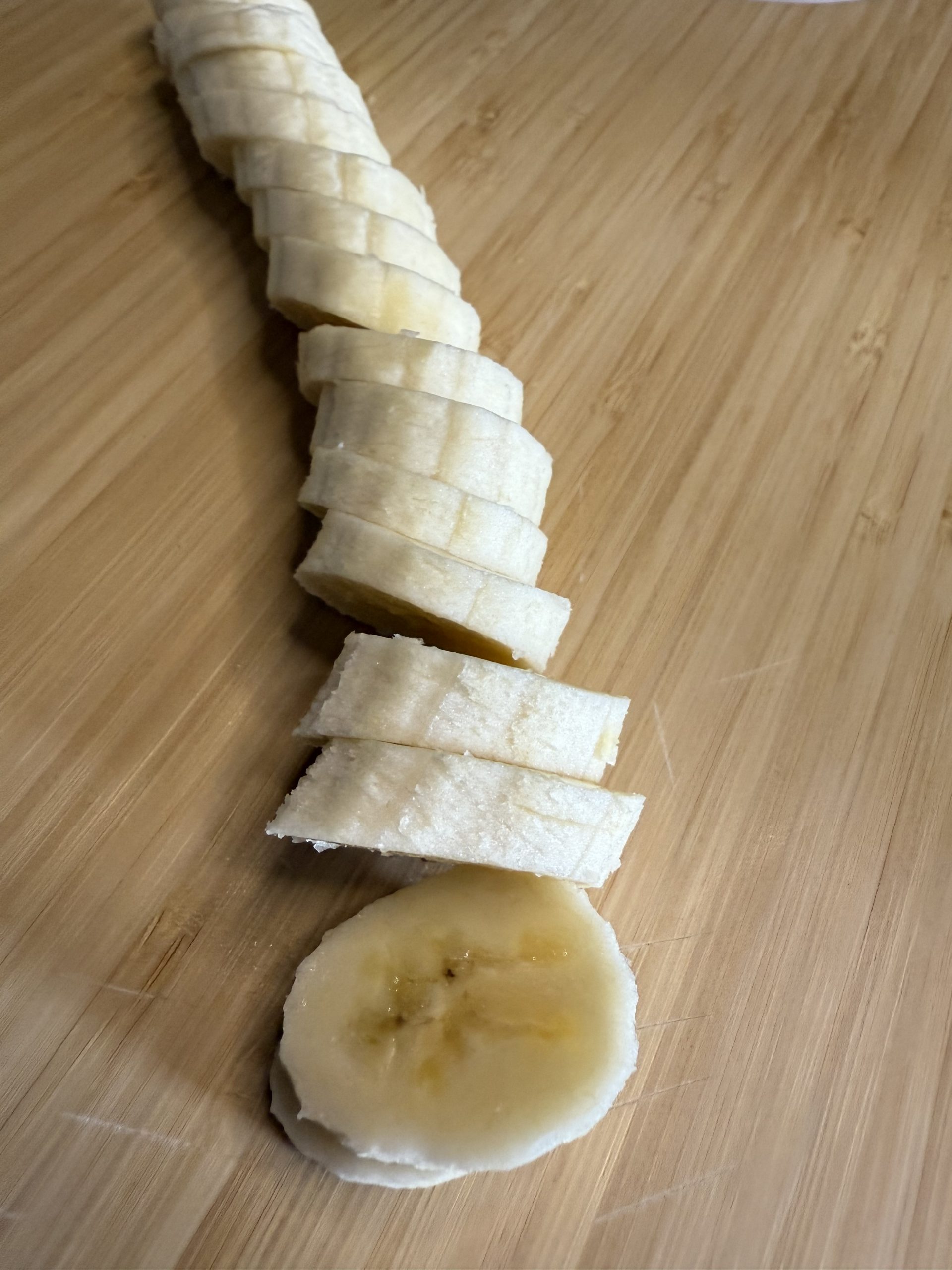
Menopause has a way of making everything feel connected. Sleep affects energy. Energy affects mood. Mood affects food choices. And suddenly the things you used to eat without thinking can hit very differently.
That’s why simple, familiar foods matter so much during this stage of life. Bananas are one of those quiet, dependable foods that can meet your body where it is, especially when you pay attention to ripeness and fibre.
Energy That Doesn’t Fight You
Many women notice during menopause that energy feels less predictable. You might feel flat in the morning, wired at night, or completely drained by mid-afternoon.
Bananas offer carbohydrates your body can actually use, but how they feel depends on how ripe they are.
- Slightly green bananas digest more slowly. They tend to give steadier energy and are less likely to cause a blood sugar spike.
- Riper bananas digest faster and can be helpful when you need a quick boost without reaching for something overly sweet.
There’s no right or wrong choice, just the one that matches how your body feels that day.
Pectin: The Fibre That Smooths Things Out
One reason bananas work so well during menopause is a type of soluble fibre called pectin. It doesn’t get much attention, but it does a lot behind the scenes.
Pectin forms a gentle gel in the digestive tract, which helps:
Slow sugar absorption
Support regular digestion
Keep you feeling full longer
Support heart and cholesterol health
As estrogen levels drop, blood sugar and cholesterol can become more sensitive. Foods with soluble fibre, like bananas, quietly help buffer those changes without drama.
Why Ripeness Really Matters
As bananas ripen, their fibre structure changes.
- Less ripe bananas have more intact pectin and resistant starch. These support gut health and help steady blood sugar.
- Ripe bananas have softer fibre and more natural sugar, making them easier to digest and more soothing on sensitive days.
If your digestion feels unpredictable, which is very common during menopause, switching ripeness instead of switching foods can be surprisingly helpful.
Kind to Digestion (Even on Off Days)
Hormonal shifts can affect digestion in uncomfortable ways: bloating, constipation, or that vague “off” feeling. Bananas are generally easy to tolerate, and you can adjust them based on how your gut feels.
Feeling sluggish or constipated? A slightly green banana may help.
Feeling sensitive or bloated? A ripe banana may feel better.
Listening to your body here matters more than following any rule.
Potassium for Muscles and Blood Pressure
Bananas are rich in potassium, which supports muscle function, nerve signalling, and blood pressure balance. During menopause, this can help with:
Muscle cramps or stiffness
Fluid balance
Cardiovascular health
Potassium levels stay fairly steady regardless of ripeness, so you get this benefit either way.
Vitamin B6 for Mood and Mental Clarity
Mood changes and brain fog are very real during menopause. Bananas provide vitamin B6, which supports neurotransmitters involved in mood and focus.
They won’t fix everything, but they can be part of a diet that feels more stabilising and supportive.
Making Bananas Work Better for You
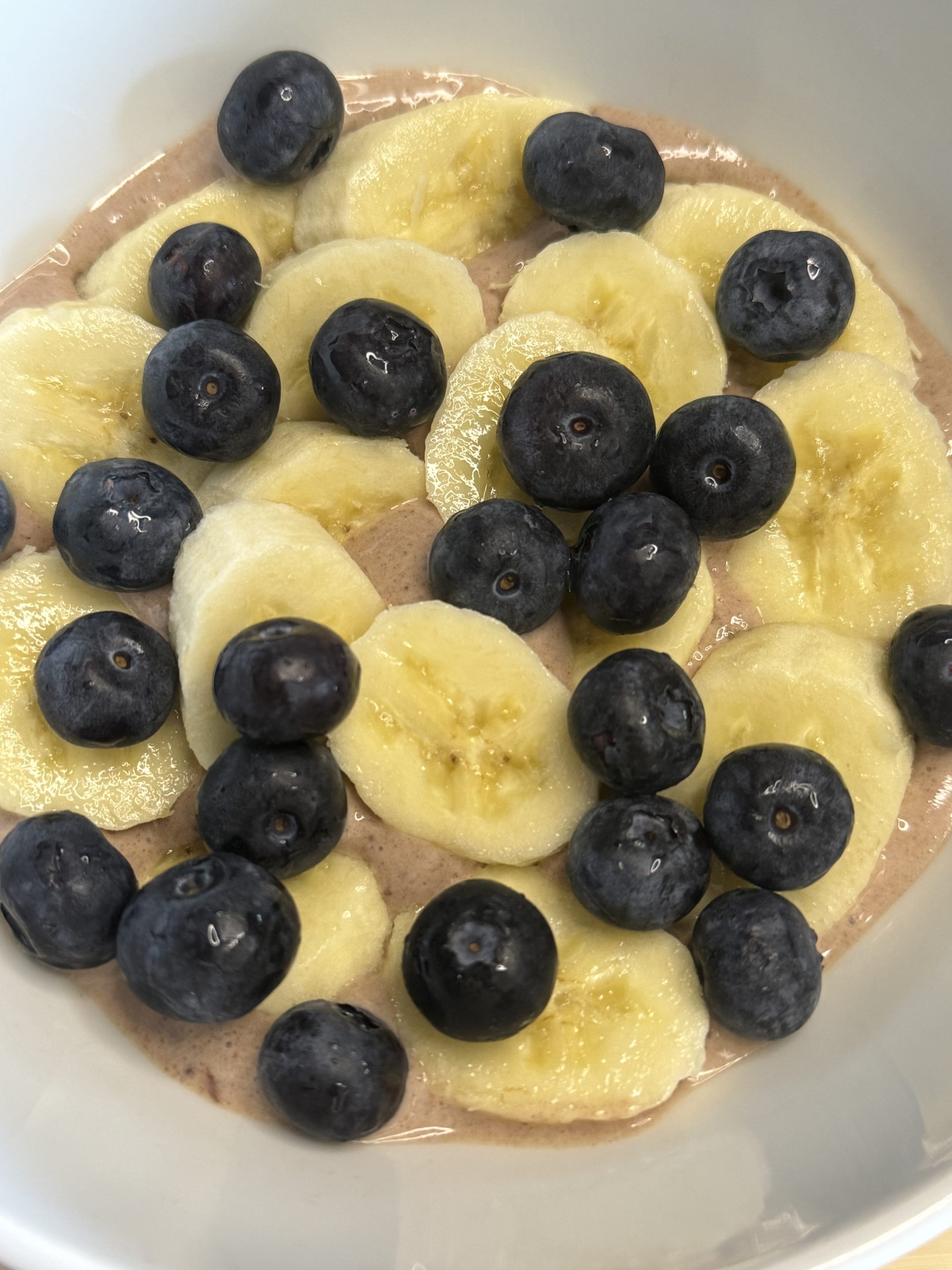
If blood sugar or weight changes are a concern, pairing bananas with protein or healthy fat can make them feel even better:
Banana with Greek yogurt
Banana with peanut or almond butter
Banana sliced into oatmeal with nuts or seeds
These combinations help slow digestion and keep energy more even.
The Bottom Line
Menopause isn’t about perfect eating, it’s about learning what helps your body feel steadier, calmer, and more supported. Bananas won’t solve menopause, but they’re a small, reliable kindness: easy to eat, easy to digest, and flexible enough to meet you where you are.
Sometimes that’s exactly what your body needs.