


How Inflammation and Cortisol Impact Menopause (and What You Can Do About It)
We often hear that inflammation and high cortisol are behind weight gain and chronic disease—but what’s really going on?
The truth is, inflammation often works silently behind the scenes. You might not even realize it’s there because its symptoms—like fatigue, mood changes, or trouble losing weight—can be blamed on other things like aging, stress, or your environment.
Why Inflammation Increases During Menopause?
Menopause brings a natural drop in estrogen, and with that drop, your body becomes more vulnerable to chronic inflammation. Why? Because estrogen has anti-inflammatory properties. When it declines, inflammation tends to rise—setting off a chain reaction in the body.
Here’s how it works:
- Lower estrogen → higher inflammation
- Chronic inflammation → intensified menopause symptoms
- Stress → higher cortisol → even more inflammation
It’s a frustrating cycle that can leave you feeling tired, anxious, and out of balance.
Estrogen role in hormonal balance
Estrogen isn’t the only hormone involved in menopause, but it plays a key role in keeping others—like insulin, cortisol, and progesterone—in check. When estrogen levels drop, a lot can get thrown off.
For example, estrogen helps your body use insulin properly. When it declines, your cells can become less responsive to insulin, making it harder to manage blood sugar. This increases the risk for insulin resistance and even type 2 diabetes post-menopause.
In the short term, this can lead to:
- Weight gain (especially around the belly)
- Trouble sleeping
- Mood swings and heightened stress
You may also notice increased cravings, fatigue, or that “wired but tired” feeling at night—classic signs that your hormones and blood sugar are out of sync.
What Is Cortisol, and Why Does It Matter?
Cortisol is your body’s main stress hormone. In small amounts, it’s helpful—it gives you the energy to get through a tough day. But when cortisol stays high (thanks to chronic stress), it contributes to:
- Increased inflammation
- Poor quality sleep
- Weight gain
- Anxiety and mood issues
And since menopause can already be a stressful time physically and emotionally, elevated cortisol can make things even harder.
How to Naturally Lower Cortisol and Inflammation
The good news? You can break the cycle—and it starts with daily habits. Here are a few proven ways to reduce inflammation and keep cortisol in check:
1. Prioritize a Whole Foods Diet
Aim for a balanced, anti-inflammatory eating pattern like the Mediterranean diet—rich in:
- Leafy greens and colorful vegetables
- Fresh fruits
- Healthy fats like olive oil and omega-3s (found in salmon, chia seeds, and walnuts)
- Whole grains and legumes
Avoiding processed foods, refined sugar, excessive alcohol, and trans fats can also make a big difference.
2. Focus on Stress Management
Relaxation techniques like:
- Deep breathing
- Yoga or gentle movement
- Meditation
- Nature walks
…can help lower cortisol levels and improve your overall well-being.
3. Get Quality Sleep
Poor sleep raises cortisol and disrupts hormonal balance. Try:
- Keeping a consistent bedtime
- Avoiding screens before bed
- Creating a calming nighttime routine
4. Consider Smart Supplementation
As we age, it can be harder to get everything we need from food alone. Targeted supplements—like omega-3s, magnesium, or adaptogenic herbs—can support hormone balance and reduce inflammation. Always check with your healthcare provider first.
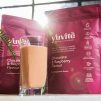
Our Yuvité Menopause Supplement Powder offers Natural Relief for Inflammation and Cortisol
Yuvité is a blend of botanicals and vitamins formulated to support nutrition at all stages of menopause. Its ingredients are science-backed, formulated to target two of the biggest underlying triggers of common symptoms: inflammation and cortisol imbalance.
Key Benefits of Yuvité:
✅ Lowers Cortisol Levels Naturally
Yuvité includes KSM66 ashwagandha, which help regulate the body’s stress response and support a healthier cortisol rhythm. That means fewer mood swings, better sleep, and reduced anxiety.
✅ Fights Inflammation from Within
Natural anti-inflammatory ingredients like baobab fruit powder, green tea extract, and cacao powder thanks to their antioxidant properties help calm internal inflammation that contributes to joint pain, fatigue, and hot flashes.
✅ Supports Hormonal Balance
While not a hormone replacement, Yuvité includes nutrients like vitamin D, B vitamins, and plant-based phytoestrogens that support your body’s natural hormonal fluctuations and energy levels.
Easy to Use: Just Mix and Sip
No pills. No complicated routines. Yuvité Menopause Supplement Powder mixes easily into water, smoothies, or tea. It’s a simple daily ritual that helps you feel more grounded, balanced, and supported—naturally.
Final Thoughts
Inflammation and cortisol aren’t just buzzwords—they’re real factors that influence how you feel during menopause. But with the right lifestyle changes and a little self-care, you can take control and feel like yourself again.
Small shifts can lead to big results. Start with one habit, build from there, and give your body the support it needs to thrive—at any age.